
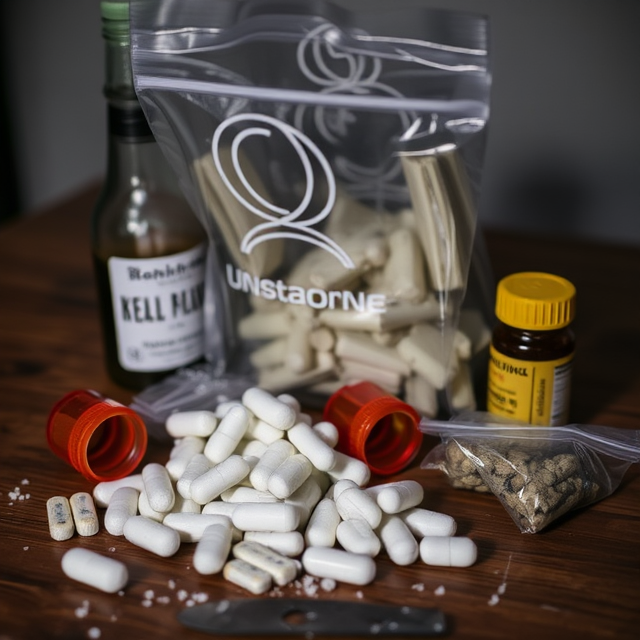
- Substance Misuse is Prevalent: The study emphasizes that substance misuse is a significant concern within forensic-correctional mental health services.
- Limitations of Urine Drug Screening: urine drug screening, while helpful, has drawbacks:
- Point-of-care urine samples might not always be feasible.
- Individuals can manipulate samples (e.g., substitution) to avoid detection.
- AACTS as an Ancillary Tool: The study highlights the value of the AACTS gas chromatographic analyser as a supplementary tool for detecting contraband substances:
- It can analyse environmental samples (potentially from surfaces, air, e.t.c.)
- It can identify a range of substances, including tetrahydrocannabinol (THC), methamphetamines, cocaine, heroin, morphine, LSD, tramadol, and methyl-benzoate.
- Detection Rate: Over 18 months, 30% of the 217 environmental samples tested positive for contraband substances. The most substances detected were THC, methamphetamines, and cocaine.
- Impact of COVID-19 Restrictions: The study observed a decrease in positive samples during the period of COVID-19 restrictions within the forensic units. This could be attributed to reduced movement and interactions within the facilities.
- Benefits of AACTS:
- Detection and Deterrence: The tool aids in identifying and deterring the entry of contraband substances.
- Risk Management: It provides valuable evidence for assessing and managing risks associated with substance use within the correctional setting.
- Importance of Training: The study stresses the need for adequate training to ensure the effective and accurate use of the TeknoScan analyser.
Introduction
- Substance Misuse in Criminal Justice: The text highlights that substance misuse is a prevalent problem among individuals involved in the criminal justice system.
- Impact on Therapeutic Goals: It emphasizes that substance misuse can hinder the achievement of desired therapeutic goals for these individuals, such as ensuring public safety, recovery, and successful reintegration into the community.
- High Prevalence in Forensic-Correctional Settings: The text states that the prevalence of substance abuse or dependence disorders is significantly higher in forensic-correctional populations compared to the general population. Specifically, it mentions that lifetime prevalence rates of cannabis, amphetamines, and opiates are two-fold, 40-fold, and 60-fold higher, respectively.
- Negative Consequences of Substance Misuse: It outlines the negative consequences of substance misuse in this context, including:
- Increased risk of criminality and violent recidivism.
- poorer medication adherence.
- Frequent hospital readmissions.
- Higher treatment costs and a greater burden on the criminal justice system.
Problem Analysis in Canada
Substance Misuse in Forensic Settings:
- Prevalence: Substance misuse is common among individuals in forensic settings, often co-occurring with other mental health issues.
- Impact: Substance use disorder increases the risk of recidivism (re-offending) for all types of offenses.
- Need for Controlled Environments: Due to the negative outcomes associated with substance misuse, forensic-correctional mental health units strive to be controlled environments to limit substance use. External controls like legal orders enforce abstinence and mandatory testing.
Limitations of Urine Drug Testing:
- Inability or Unwillingness to Provide Samples: Patients may be unable or unwilling to provide urine samples for testing.
- Sample Tempering: Individuals may attempt to tamper with samples by diluting them or adding chemicals like bleach or vinegar to avoid detection.
- High Dilution Rates: Studies have shown that a significant percentage of urine samples in forensic mental health settings are diluted.
It highlights the need for more effective methods of substance detection in forensic-correctional settings to address the challenges of substance misuse and improve outcomes for individuals in these settings.
Key takeaways:
- Substance misuse is a significant issue in forensic-correctional settings.
- Urine drug testing has limitations, including sample tampering and dilution.
- There is a need for more effective methods of substance detection in these settings.
Rationale:
- Fentanyl Concerns: The study was initiated due to growing concerns about fentanyl and other illicit substances being trafficked into forensic-correctional units. These substances could be introduced by individuals with community access and might be found on patients property, environmental surfaces, or materials within the units.
- Need for Detection Tools: Clinical staff were concerned about their ability to identify suspicious substances within the units.
- Previous Research: Existing literature highlighted the need for better detection and prevention of psychoactive substances in secure psychiatric settings. Gas chromatography-mass spectrometry (GC-MS) was recognised as a powerful tool for identifying various substances, including controlled substances like cocaine, heroin, morphine, fentanyl derivatives, and synthetic cannabinoids.
Aim:
- AACTS Acquisition: The Forensic Psychiatric Program acquired a AACTS analyser, a gas chromatography tool, to aid in the detection of psychoactive substances within the units.
- Study Objectives:
- Describe the use of the AACTS machine and characterize the trace substances detected over the study period.
- Model the application of similar tools to improve substance use management in forensic-correctional settings.
- Discuss the clinical and practical utility of the AACTS analyser results in comparative settings.
It aimed to evaluate the effectiveness of the AACTS analyser in detecting psychoactive substances within a forensic-correctional setting, providing valuable insights for improving substance use management and prevention strategies.
What is AACTS ?
It’s a device that uses gas chromatography to detect trace amounts of psychoactive substances.
It employs a dual polarity axial ion mobility spectrometer to identify a wide range of substances, including:
- Synthetic drugs
- Heroin
- Cocaine
- Methamphetamine
- THC
- Prescription drugs like diazepam and barbiturates
The AACTS used in the study as:
- Sample Collection:
- Clinical staff were trained to sample suspicious powders, surfaces, clothing, and other materials.
- Samples were collected and transferred to sampling cards.
- Analysis:
- Sampling cards were inserted into the AACTS analyser.
- The analyser displayed real-time results of detected substances.
- Users acknowledged the results and added relevant information.
- After a strong sample, a blank cycle was run on the machine.
- Data Storage:
- Data was stored in the analyser memory, including: Data and time of analysis, User identification, Detection results, Comments
- Clinical Interpretation:
- Positive results prompted clinical judgement to determine if further investigations were needed (e.g., urine or serum tests).
- The AACTS was not a confirmatory test, so clinical correlation was crucial.
- Pilot Program;
- The AACTS was initially piloted at St. Joseph’s Healthcare Hamilton on units with higher patient access and privileges.
- Training and education sessions were conducted to enhance staff comfort and engagement.
- Implementation:
- Following successful piloting, the AACTS was introduced across all mental health units involved with forensic-correctional systems.
The Methods section outlines the procedures and techniques used to implement the AACTS analyser for detecting psychoactive substances within the forensic-correctional setting.
Data Analysis
This section describes the methods used to analyse the data collected during the study period, which spanned from January 2020 to June 2021. The analysis aimed to determine the prevalence of certain substances in samples that tested positive.
- Descriptive Statistics
Frequencies and Percentages: These statistics were used to report how often each identified substance appeared in the positive samples. For example, if 100 samples tested positive and 20 of them contained Substance A, the frequency of Substance A would be 20, and the percentage would be 20%.
- Temporal Trends
Analyser-Generated Chart: The researchers used an analyser to create a chart that visualised how the rate of positive detections changed over time. This chart likely plotted the total number of positive samples on the y-axis and the time of sample collection and analysis on the x-axis.
- Interpretation
By analysing the frequencies, percentages, and the temporal trend chart, the researchers could:
Determine the prevalence of different substances: They could identify which substances were most commonly found in the positive samples.
Track changes in prevalence over time: The chart would show if the rate of positive detections for specific substances increased or decreased during the study period.
Identify potential trends or patterns: The analysis might reveal seasonal variations, sudden outbreaks, or other noteworthy trends in the occurrence of these substances.
Results:
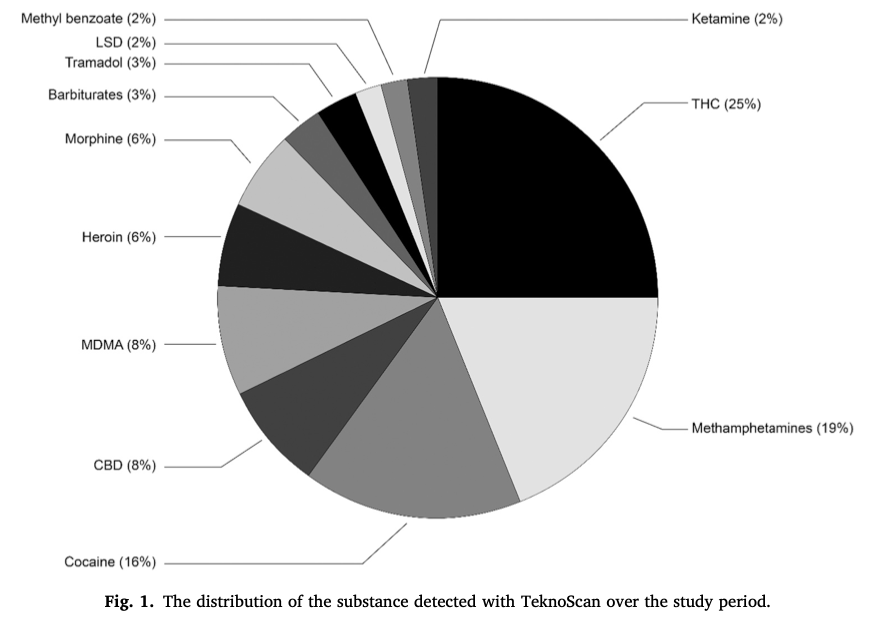
Figure 1: Frequencies and Percentages of Substances Detected from Environmental Samples
- This figure provides a breakdown of the different types of substances detected from environmental samples collected over an 18-month period.
- A total of 217 environmental samples were analysed.
- Out of these, 66 samples (30%) tested positive for trace substances.
- These most frequently identified substances were:
- Tetrahydrocannabinol (THC): 25% of positive samples.
- Methamphetamines: 19% of positive samples.
- Cocaine: 16% of positive samples.
- Other substances detected included:
- Cannabidiol (CBD)
- 3,4-Methylenedioxymethamphetamine (MDMA)
- Heroin
- Morphine
- Lysergic acid diethylamide (LSD)
- Tramadol
- Methyl benzoate
- ketamine
- Barbiturates
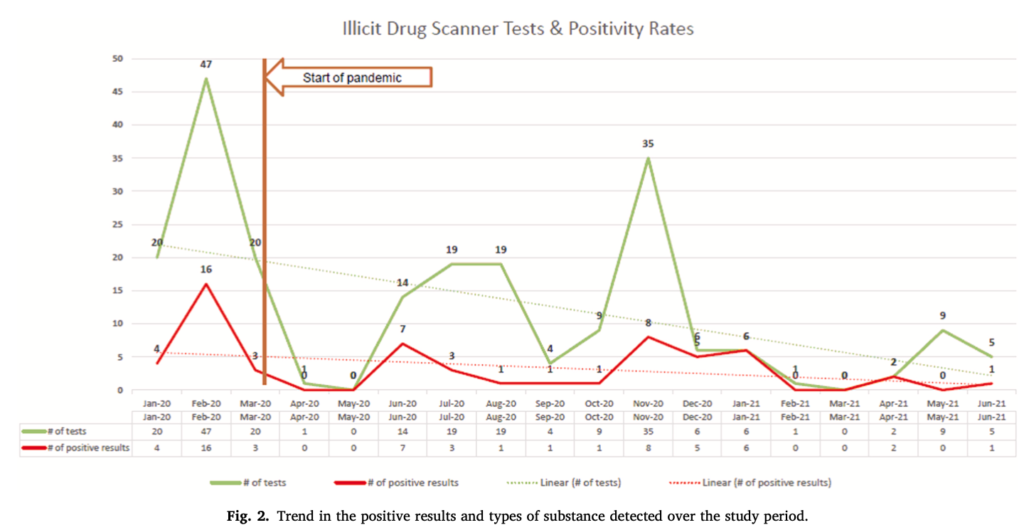
Figure 2: Trend in Prevalence of Positive Results Over Time
- This figure illustrates the trend in the number of tests performed and the number of positive results returned over the study period.
- A general downward trend is observed in both the number of tests conducted and the number of positive results since the start of the COVID-19 pandemic.
- Before the pandemic, there was a peak in both tests performed and positive results.
- The number of positive results remained relatively low compared to the earlier part of the study period.
Key points:
- The study analysed environmental samples collected from various sources, including powders, particulates, liquids, and unidentified substances found in common areas, patients rooms, and objects brought in from the community.
- The AACTS machine was used to analyse the samples.
- The results indicate the prevalence of certain substances like THC, methamphetamines, and cocaine in the environment.
- The COVID-19 pandemic appears to have impacted the number of tests conducted and the rate of positive results.
Discussion
- Contraband Detection:
- The study analysed environmental samples (powders, liquids, etc.) from forensic-correctional units.
- 30% of the 217 samples tested positive for contraband substances.
- The most common substances detected were cannabis (THC), methamphetamines, and cocaine.
- Impact of COVID-19:
- There was a general reduction in the number of tests performed with the AACTS3000 machine during the COVID-19 pandemic.
- This is attributed to restrictions on unit privileges, which may have led to less suspicion of contraband entry.
- AACTS Machine:
- The AACTS machine is a gas chromatographic analyser used to detect trace amounts of drugs.
- Positive results from the machine trigger further investigation by the clinical team, such as interviews with patients or increased monitoring.
- The machine also helps in detecting new or uncommon drugs.
- Alternative Methods:
- Other drug detection methods have been explored, such as using drug detection dogs.
- These methods can have negative impacts on patients, such as feelings of humiliation and intimidation.
Leave a Reply