

The 1970s witnessed a significant surge in drug smuggling via air, particularly from Latin America to the US. This era saw a rise in drug mules transporting illicit substances. The aviation security sector was ill-equipped to handle the escalating drug smuggling activities during this period. The international Civil Aviation Organisation (ICAO) provided limited specific guidance on screening for narcotics in its Aviation Security Manual. While it encouraged in-flight security officers (IFSOs) to identify potential drug traffickers, it lacked clear producers on how to proceed after such identification. The manual focused more on general preventive measures like baggage matching and aircraft security, which were deemed insufficient to address the specific threat of drug smuggling.
Implications for Aviation Security:
The strategies and techniques developed to combat drug smuggling can be valuable tools in enhancing aviation security against other threats like:
- Improved Intelligence Gathering and Analysis: Techniques used to identify and track drug trafficking networks can be adapted to gather intelligence on potential threats from terrorism and other illicit activities.
- Enhanced Passenger Profiling and Screening: Lessons learned from identifying drug mules can be applied to develop more effective passenger profiling and screening procedures to identify potential threats.
- Technological Advancements: Technologies developed for drug detection, such as advanced imaging and explosive trace detection, can also be utilised to enhance the detection of weapons and explosives in the aviation environment.
Different ways drugs are smuggled:
- Authorised Employees: Airside employees, often coerced or tempted, smuggled drugs into aircraft.
- Passenger: Individuals carry drugs in their checked or carry-on baggage, on their person, or even internally.
- Baggage Switching: A sophisticated method where baggage tags are switched between legitimate bags and those containing drugs.
The Culprits and why they do it:
Some individuals are driven by greed and the desire for profit. Others are coerced by drug cartels, with their families held as hostages.
Challenges for Aviation Security:
Many screeners lack proper training to detect drugs. The technology available to screen for drugs is often insufficient. Legislation in some countries is inadequate to address the issue effectively.
Detection Methods and Limitation:
While widely used, pat downs are often ineffective, especially if drugs are concealed in body cavities. Technologies like X-ray machines and explosive trace detection are limited in detecting drugs.
The need for a multi-pronged approach to combating drug trafficking through air travel:
- Enhanced Training for Security Personnel: Providing comprehensive training in drug detection techniques and tactics.
- Improved Technology: Investing in and deploying advanced technologies for drug detection.
- Strengthening Legislation: Implementing stricter laws to deter drug smuggling activities.
- International Cooperation: Enhancing collaboration between countries to combat transnational drug trafficking networks.
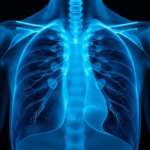
Certain countries, like Venezuela and Colombia, actively profile passengers, especially those arriving from areas known for drug trafficking. This involves analysing travel patterns, questioning techniques, and even using advanced technology to identify potential drug mules. Suspicious passengers are often separated for further security by counter-narcotics teams, including more through physical searches and questioning. Internal Drug Detection technology is used to detect ingested or concealed within body cavities. It allows for rapid screening and can potentially reduce the need for intrusive procedures. While effective, it raises privacy concerns due to its ability to visualise internal organs. Sniffer dogs have been traditionally used to detect drugs and explosives in baggage. Dogs can be prone to fatigue and handheld error, leading to false positives or negatives. ICAO regulations explicitly state that the same dog cannot be used for both drug and explosive detection. CTD systems can detect a wider range of substances than dogs and are less susceptible to operate fatigue. Companies like Anika Sterilis Private Limited are developing innovative CTD methods, such as natural aspiration which captures both vapour and particle samples from the air, improving detection accuracy.
CTD systems are capable of detecting various substances, including narcotics and explosives. Realistic detection limits for CTD systems are outlined, such as 250g of cocaine in a regular-sized piece of luggage, 100g in a box, and 1kg in a ULD-3 container. The root causes of drug trafficking are poverty and lack of education, is crucial to reducing this global problem.


Leave a Reply