
The Problem:
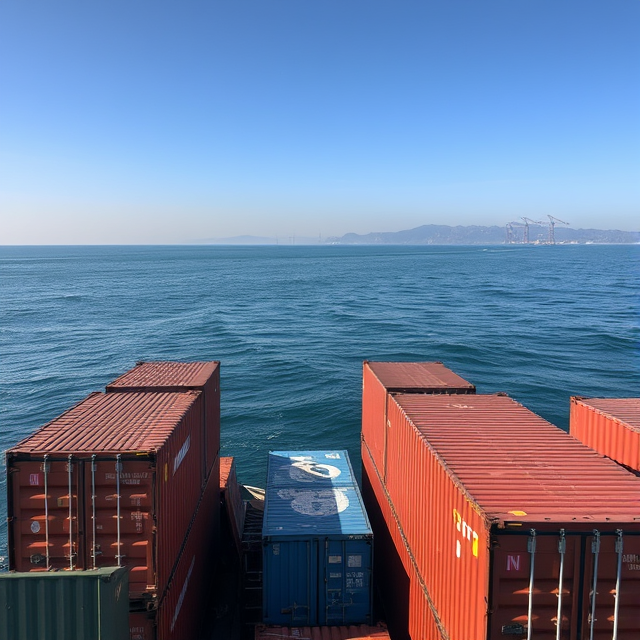
Millions of shipping containers move through the world’s ports every day. These containers could potentially contain explosives, drugs or other dangerous materials. Currently only a small percentage of containers are inspected, making it difficult to ensure security. The explosion of a bomb planted in an air cargo container can have devastating human and economic consequences. The U.S. Transportation Security Administration (TSA) requires 100% screening of all cargo on U.S. passengers flights. Existing methods like canine inspections and imaging systems are insufficient for the task. The current global security landscape requires new approaches to identify and prevent threats from both internal and external sources. Traditional methods like X-ray systems and sniffer dogs have limitations. X-ray systems cannot detect all threats, are expensive and require skilled operators. Sniffer dogs are not infallible and can be circumvented.
The Solution: AACTS-3000
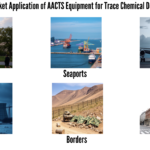
AACTS is a trace detection system that can quickly and reliably detect and identify various substances. It works by collecting air samples from inside the container. This allows for non-intrusive inspection, meaning containers don’t have to be opened, which speeds up the process and reduces disruption to trade. AACTS offers a technology that can quickly and accurately detect and identify various threat substances. The system can be used to screen cargo in vehicles, on pallets, in Unit Load Devices (ULDS), and in individual packages or luggage. AACTS can also be used to secure entire aircraft passenger cabins by analyzing air samples extracted from ventilation dump valves. It offers a technology that can quickly and accurately detect and identify various threat substances, including explosives, nuclear materials, chemical and biological agents and narcotics. It can be used to screen cargo in containers, vehicles, packages and even people. AACTS systems are lightweight and portable, making them suitable for deployment in various locations like logistic centres, border crossings, and operational sites.
Benefits of AACTS:
It helps to detect and prevent the movement of dangerous materials. It allows for faster inspection of containers. Compared to other methods like opening containers or using imaging systems, AACTS can be more cost-effective. It helps mitigate the negative economic and logistical impact of universal cargo screening.
How AACTS Works:
- Air Sampling: A vacuum system is attached to the container’s ventilation port to collect air samples.
- Analysis: The samples are analyzed to detect the presence of specific substances.
- Identification: If a substance is detected, the system can identify what it is.
AACTS-3000 is a promising technology that can help improve security and efficiency in the global shipping industry.

Leave a Reply