
Introduction
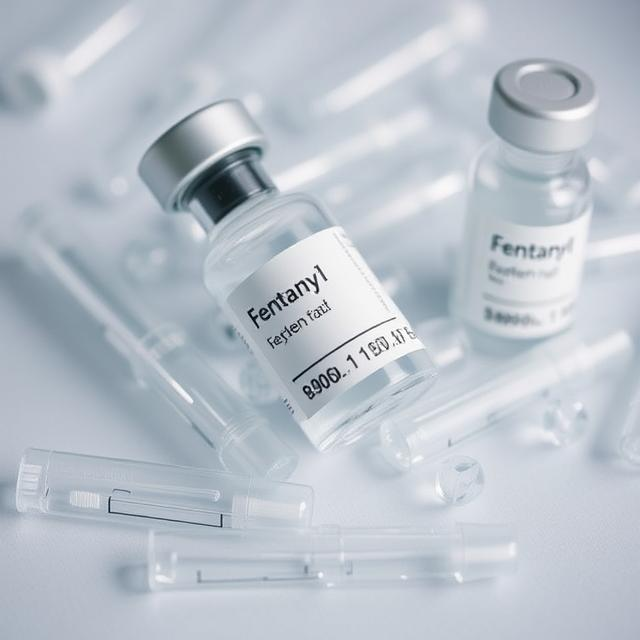
The fentanyl crisis has become one of the most pressing public health and security emergencies worldwide. As a potent synthetic opioid, fentanyl is responsible for tens of thousands of overdose deaths annually. Law enforcement agencies, border security, and first responders are in critical need of a rapid, reliable, and portable solution to detect fentanyl and its analogs before they cause harm.
The AACTS-3000 (Advance Active Chemical Threat Scanner) is the most effective solution available today to effectively address this crisis. Using True-RAD Ion Mobility Spectrometry (IMS) and Solid-Phase Micro extraction (SPME) technologies, AACTS-3000 enables real-time, non-invasive, and highly accurate fentanyl detection, providing a game-changing solution for global security and public health efforts. With this proven technology, the time for global implementation is now.
what is fentanyl?
Chemical Structure: Fentanyl is a synthetic (man-made) opioid, meaning it is chemically produced rather than derived from the opium poppy like natural opioids such as morphine or heroin. It is a part of a class of compounds called anilidopiperidines which have potent analgesic (pain-relieving) effects.
Potency: Fentanyl is significantly more potent than morphine or heroin. It is estimated to be 50 to 100 times stronger than morphine and about 50 times stronger than heroin. As a result, even small amounts can have a very strong effect, leading to both therapeutic benefits and serious risks if misused.
The Global Fentanyl Crisis: Challenges and Impact
The fentanyl epidemic has escalated into a global crisis, posing severe health, security, and economic challenges:
Economic and Social Burden: Governments spend billions annually on healthcare, law enforcement, and rehabilitation programs to combat fentanyl-related addiction and crime.
Overdose Deaths: Fentanyl is 50-100 times more potent than morphine, and even a tiny amount can be fatal. It has become the leading cause of overdose deaths worldwide, particularly in North America and Europe.
Trafficking and Illicit Manufacturing: Illicit fentanyl production is widespread, with traffickers mixing it into counterfeit pills and street drugs. Many users unknowingly consume fentanyl, increasing overdose rates.
First Responder (it includes firefighter, law enforcement officer, emergency medical technican & other individual) Exposure Risks: Fentanyl can be absorbed through the skin or inhaled, putting police officers, paramedics, and forensic teams at risk of accidental exposure, which can lead to serious health effects.
Difficult Detection: Traditional drug detection methods often fail to identify fentanyl due to its potency and minute quantities. Rapid and precise identification is critical for effective law enforcement action.
Despite ongoing efforts, the lack of effective detection tools has hindered global attempts to control the fentanyl crisis. AACTS-3000 is the definitive solution to this issue and must be implemented at a global level without delay.
The Detection Technique
- Deploying the only ultra-sensitive fentanyl detection system that delivers results in seconds.
- Enhancing law enforcement capabilities in intercepting fentanyl trafficking at borders, airports, and cargo ports.
- Protecting first responders, customs officers, and forensic teams from accidental exposure to fentanyl.
- Providing a portable and easy-to-use device that can be deployed in real- world scenarios.
- Positioning the AACTS-3000 as the global standard for fentanyl and synthetic opioid detection.
Technology Overview
The AACTS-3000 is engineered with cutting-edge technologies to ensure rapid and non-invasive fentanyl detection:
- Ion Mobility Spectrometry (IMS): Detects trace amounts of fentanyl and its analogs in seconds with high sensitivity and specificity.
- Solid-Phase Microextraction (SPME): Enables efficient sample collection from surfaces, air, and containers without contamination.
- Real-Time Data Processing: AI-driven analytics instantly confirm the presence of fentanyl, reducing human error and response time.
- Portable & Rugged Design: Designed for field use, ensuring reliability in high-risk environments such as border crossings and crime scenes.
AACTS-3000 as the Solution to the Fentanyl Crisis
The AACTS-3000 is the most effective solution to combat the fentanyl crisis by addressing its key challenges:
Rapid and Accurate Detection: Detects fentanyl in less than 20 seconds, enabling immediate law enforcement action.
Preventing Trafficking: Helps customs and border security identify fentanyl shipments before they enter the black market.
Ensuring Officer and First Responder Safety: Identifies airborne and surface fentanyl, reducing accidental exposure risks.
Public Health Protection: Prevents fentanyl-laced substances from reaching communities, reducing overdose rates.
No other available technology provides the same level of efficiency, accuracy, and speed in fentanyl detection. The AACTS-3000 is not just an option—it is the most viable solution to this crisis.
Key Applications of AACTS-3000
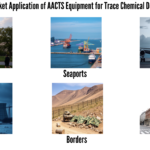
Law Enforcement & Border Security:
o Detects fentanyl in vehicles, luggage, and cargo at checkpoints. Identifies concealed drug shipments to prevent trafficking.
o Provides real-time results, enabling immediate intervention.
First Responders & Public Safety:
o Ensures rapid detection of airborne fentanyl to prevent accidental exposure.
o Enhances the safety of police officers, paramedics, and forensic teams handling suspected fentanyl-related incidents.
o Reduces overdose risks by identifying fentanyl-laced substances instantly.
Customs & Counter-Narcotics Operations:
o Strengthens global efforts to combat fentanyl trafficking.
o Helps regulatory agencies enforce drug control laws effectively.
o Enables collaboration between nations in intelligence-led narcotics interdiction.
Key Advantages of AACTS-3000
Unmatched Speed & Accuracy: Delivers results in seconds, preventing fentanyl-related emergencies.
Non-Invasive Detection: Allows officers and responders to scan substances without direct contact, reducing exposure risks.
Highly portable & User-Friendly: Designed for easy deployment in the field with minimal training required.
Scalability & Integration: Can be used across multiple locations, from border crossings to crime scenes and forensic labs.
Global Impact: A game-changer in the fight against fentanyl, providing governments and agencies with a powerful tool to save lives.
Implementation Plan
The deployment of the AACTS-3000 follows a structured approach:
- Research & Development: Optimizing fentanyl detection algorithms and field-testing accuracy.
- Prototype Testing: Conducting trials with law enforcement, first responders, and border security.
- Regulatory Approval: Ensuring compliance with international narcotics detection standards.
- Mass Production: Scaling up manufacturing to meet growing global demand.
- Market Deployment & Training: Distributing the device worldwide and providing training for law enforcement agencies and forensic teams.
Conclusion
The fentanyl crisis demands urgent action, and the AACTS-3000 is the only available technology that can effectively detect and intercept fentanyl. By equipping law enforcement, first responders, and border security with this advanced detection tool, AACTS-3000 can help curb the trafficking and distribution of this deadly opioid.
With its rapid detection capabilities, precision, and ease of use, the AACTS-3000 is the definitive and most solution to combat the fentanyl epidemic. Governments and agencies must take immediate steps to implement this technology, ensuring safer communities and a future free from fentanyl-related harm.



Leave a Reply